
It Started with a Paragraph
Sep 29, 2026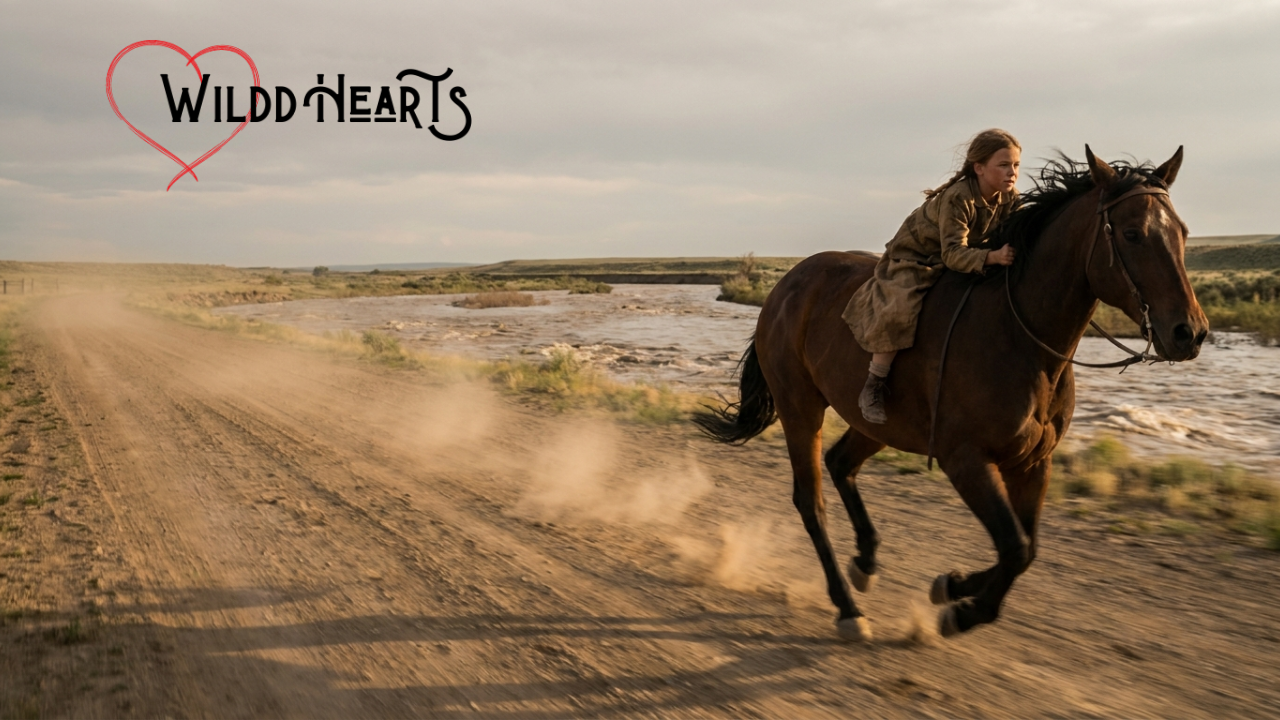
I have a lot of stories floating around in my head.
Some are big stories I know I want to write. Others are little more than a memory that wanders in and hangs around for a while. I don't always know what to do with them, or even whether there's enough there to do anything at all.
So sometimes I just write a paragraph.
Over time, I've built up what I think of as a little bank of memories. Paragraphs about something that happened, someone I remember, or a moment I don't want to lose. Some sit there for quite a while.
Then there are days when I want to write and don't have a damn thing to write about. Instead of waiting around for inspiration to find me, I'll go back through those paragraphs. Usually, something catches me. I read it and think, There's more here.
That's often where a story begins.
I did that recently with a memory about my horse, Thunder.
Here is exactly what I wrote:
When I was seven we lived on a ranch and I had a horse named Thunder. Even though I had been around horses my entire life, I was scared of them. They were big and I was small and they sometimes did whatever they wanted. Once my horse ran away with me on her all the way to the river and across it, turned around and came back. Scared me to death but I was born to cowboys and they put me right back on that horse and made me ride.
There it is.
Certainly not a finished story. There are a couple of errors, and I wouldn't submit it for any writing awards. But that's not what I was trying to do. I was getting down a memory.
Then I started thinking about it.
Who was there? Where were we going? What do I remember about that day?
Some of the details came back immediately. Others came as I started writing. One thing seemed to lead to another, and the more I remembered, the more excited I became about getting it down.
So I stayed with it.
And this is what happened next.
The Next Version
Even though I'd been riding horses with my mom since I was a baby, they scared me. Horses were huge, powerful, and had minds of their own. But in my family, being afraid of a horse was simply not acceptable. We were cowboys. We were strong. So I hid it...I hid it well, but probably not well enough. I'd been taught my whole young life that horses could sense fear, and I was pretty sure Thunder knew.
One spring day, my family, along with some aunts, uncles and friends, saddled up for a day ride, picnic and adventure. I was excited, although somewhere underneath that excitement was the familiar nervousness I felt around horses.
Thunder was saddled first, and with a bit of help, I climbed onto her back. Everyone around me was still laughing, talking and getting their own horses ready.
Then, without warning, Thunder bolted.
She tore down the long ranch driveway, hung a sharp right at the dirt road and galloped around the corner toward the river. I was screaming and crying uncontrollably by the time we reached the rain-swollen Big Sandy River. Somewhere along the way, the reins slipped from my hands, and I grabbed Thunder's mane and as much of her neck as I could, practically lying flat against her and holding on for dear life. I was seven years old and in survival mode. Whatever it took, I was staying on that horse.
Thunder ran straight into the river, with the water coming almost to her knees, crossed to the other side, stopped abruptly, turned around and ran right back through it. Then she raced the quarter-mile back toward the ranch.
By then, several of the riders were mounted and chasing us. As Thunder and I barreled past them going the opposite direction, they reached for her reins but couldn't catch them. They shouted at me to stop screaming because they knew my screaming was frightening her even more.
I don't remember hearing them.
I just remember being terrified.
They turned their horses around and followed us back to the ranch, where Thunder finally stopped.
There's more to that story. My mom was waiting for me, scared out of her wits. I was trembling and crying and doing what scared seven-year-olds do.
And because I was born into a family of ranchers and cowboys, they did what they did more than once during my childhood.
They put me right back on the damn horse.
Maybe someday I'll keep going with that story.
For now, that's enough.
What Happened Between the Two Versions?
I didn't sit down with a list of writing techniques.
I didn't think, This story needs more sensory detail. I need better action verbs. I should develop the setting.
I just went back there.
I started with the big picture, the part I already knew: Thunder ran away with me when I was seven.
Then I got curious about my own memory.
Where exactly were we? Who was there? What was happening before she took off? What do I actually remember?
And more came.
I remembered the long driveway. The sharp turn. The river. Losing the reins. Grabbing Thunder's mane and neck. The riders coming after us and trying to catch her reins as we flew past them.
Some memories are carved into us, and this is probably one of mine.
I also have the benefit of having heard this story told by my family through the years. Some details are my own memories. Others have been reinforced by the people who were there and watched the whole thing happen.
But what I found most interesting was how much more came back once I started writing.
The memory began to come alive again.
And that's when writing gets really interesting for me.
You Probably Have a Paragraph Too
I hear people say all the time that they'd like to write their stories, but they aren't writers.
Maybe we're making the starting point much too complicated.
You don't have to sit down to write your life story. You don't even have to sit down intending to write a good story.
Write a paragraph.
Write about something you remember.
Maybe it's the kitchen in the house where you grew up. Your first car. The neighbor everyone was a little afraid of. A teacher you loved. Something ridiculous your mother used to say. The time you got caught doing something you absolutely knew you weren't supposed to be doing.
Write what you remember.
Then leave it alone if you want to.
Put it in your own bank of memories.
Or stay with it for a few more minutes.
Ask yourself where you were. Who else was there? What happened right before the part you remember? What happened afterward?
See what comes back.
Maybe very little will. That's okay. You have a paragraph you didn't have before.
But maybe one memory will bump into another. A face will appear. You'll remember something someone said. You'll suddenly see a room you haven't thought about in forty years.
And you might find yourself doing exactly what I did with Thunder.
Wanting to know what else is there.
That's how many of my stories begin.
Not with a writing plan.
With a paragraph.
Diana
